

Articles
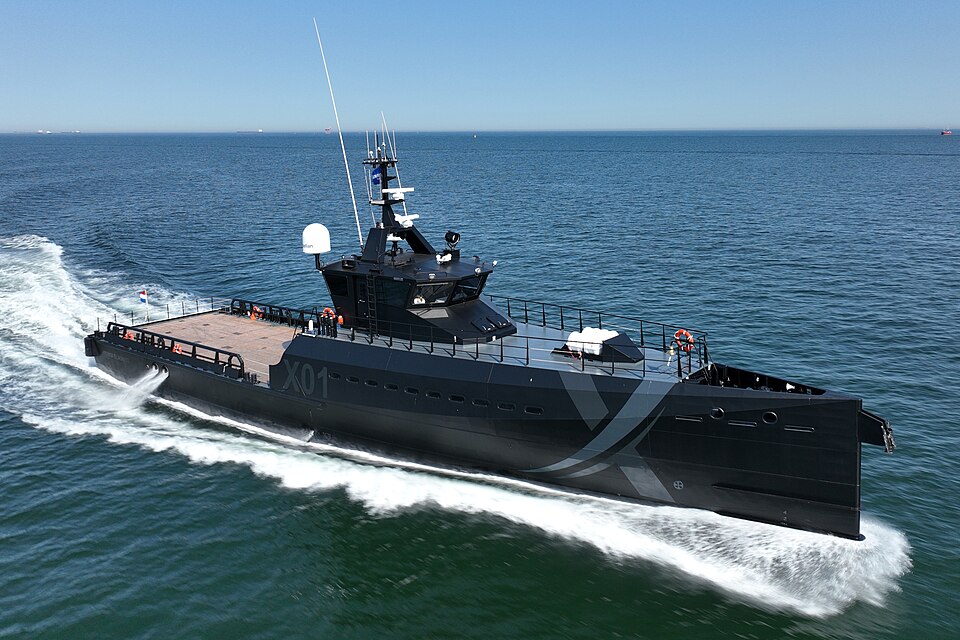
The future of naval warfare will not be defined solely by the size or number of warships in a fleet. Increasingly, operational advantage will depend on how effectively crewed vessels, autonomous platforms, sensors and command systems can operate together. This... Read More

An autonomous vessel brings together several capabilities: understanding its surroundings, deciding how to proceed, controlling its movement and carrying out its mission. Marine autonomy systems connect these functions. Sensors provide information about the vessel and its environment. Software interprets that... Read More
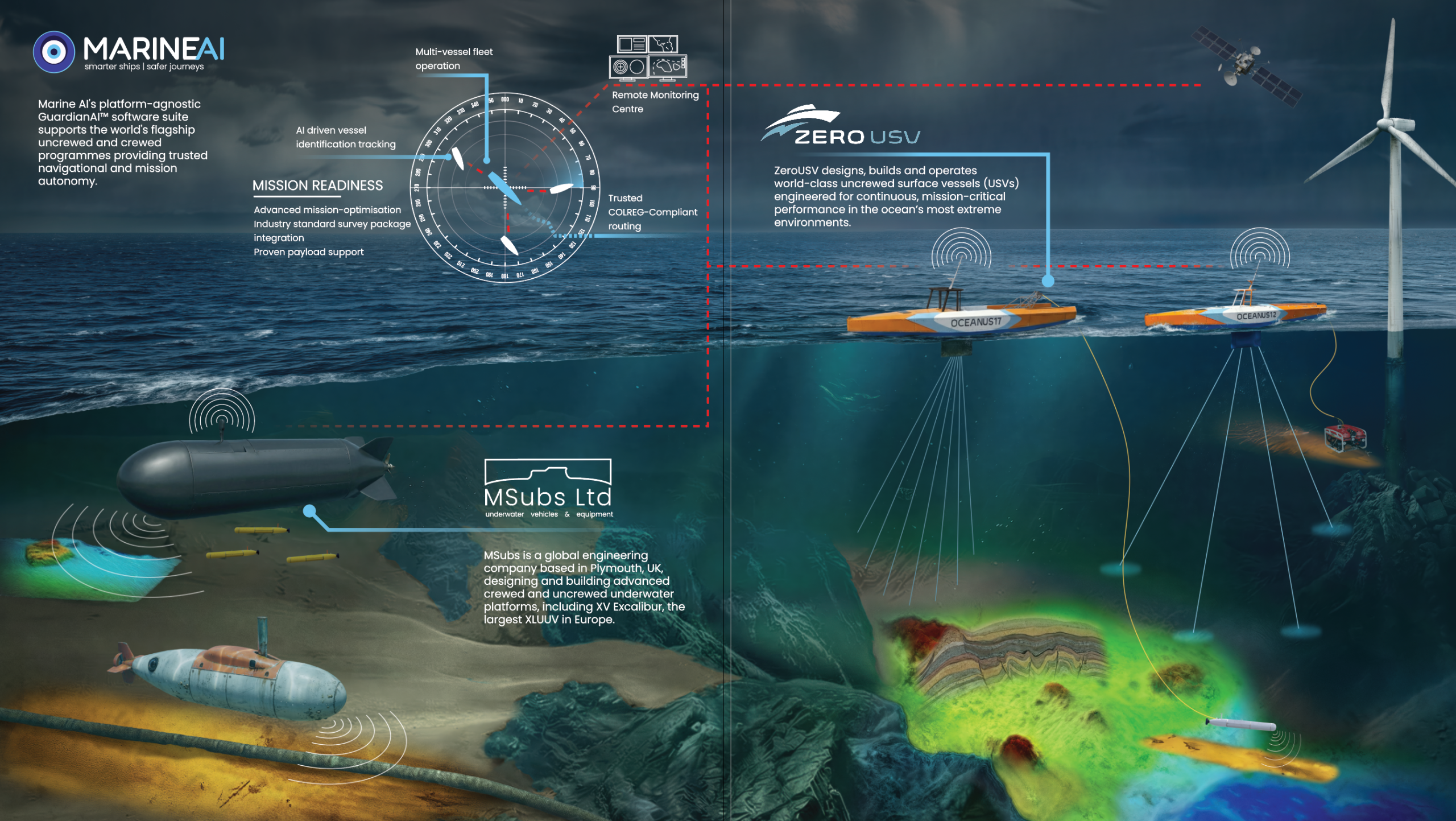
Hydrographic surveying plays a vital role in maritime navigation, offshore infrastructure development, environmental monitoring and naval operations. By measuring water depths, mapping seabed features and collecting information about the underwater environment, hydrographic surveys provide the data needed to understand and... Read More
Naval operations are entering a new era as artificial intelligence (AI), autonomous systems and uncrewed vessels become increasingly important to maritime defence. From persistent surveillance and intelligence gathering to mine countermeasures and complex multinational exercises, naval autonomy is changing how... Read More
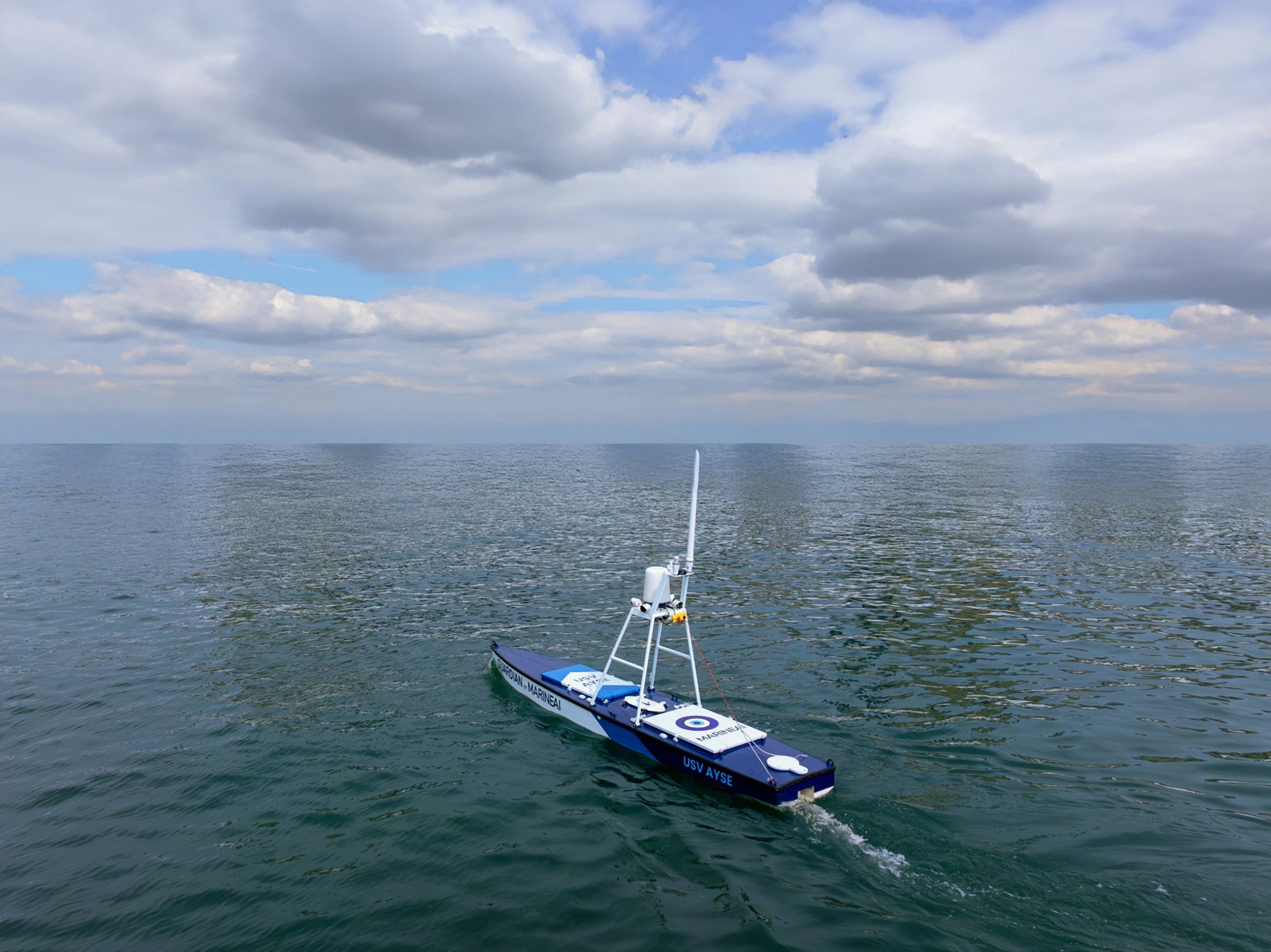
Autonomous vessels do more than follow a predetermined line between two points. To operate effectively at sea, they need to understand where they are going, determine the most appropriate route and respond when conditions change. This is where AI route... Read More
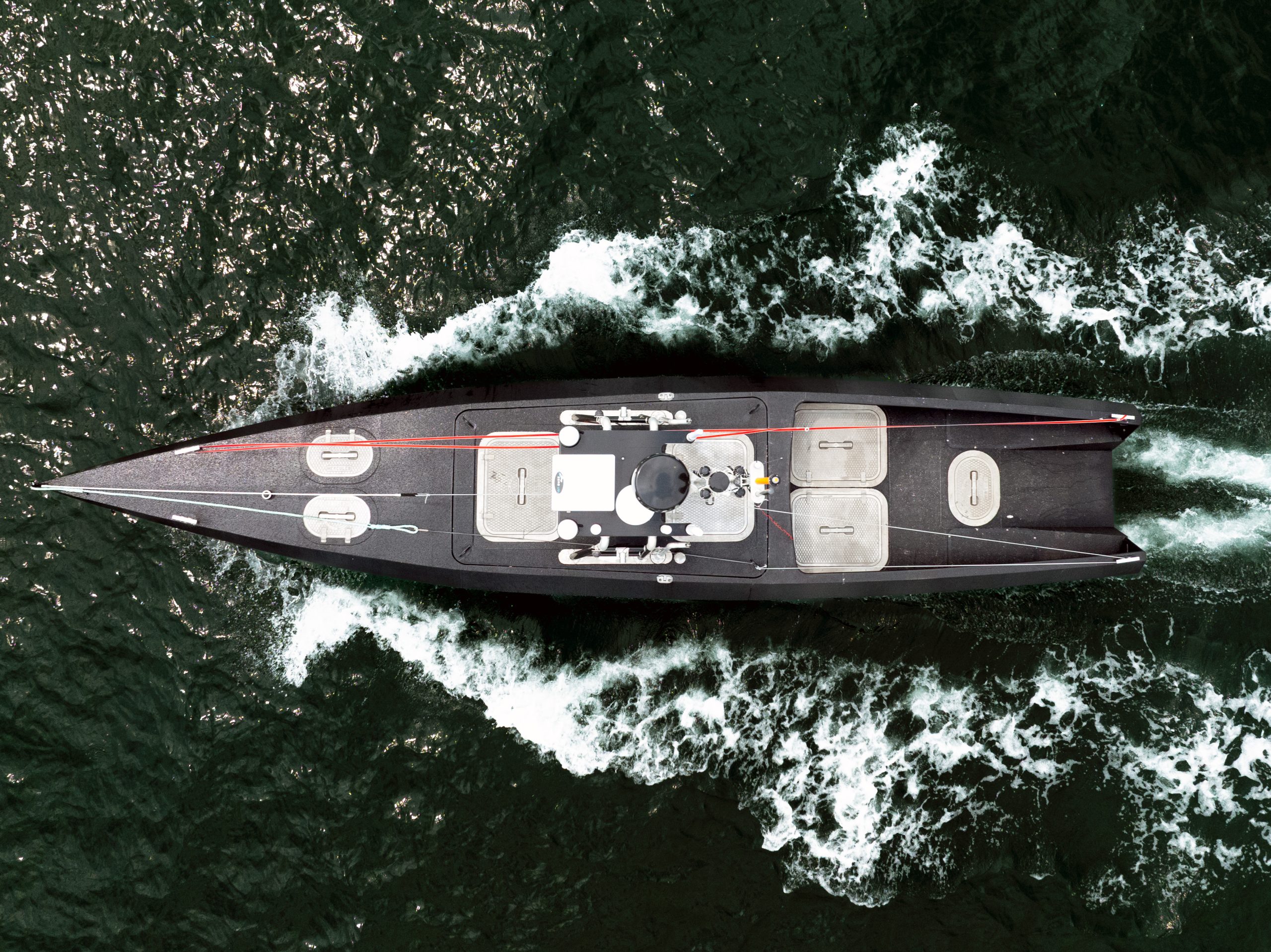
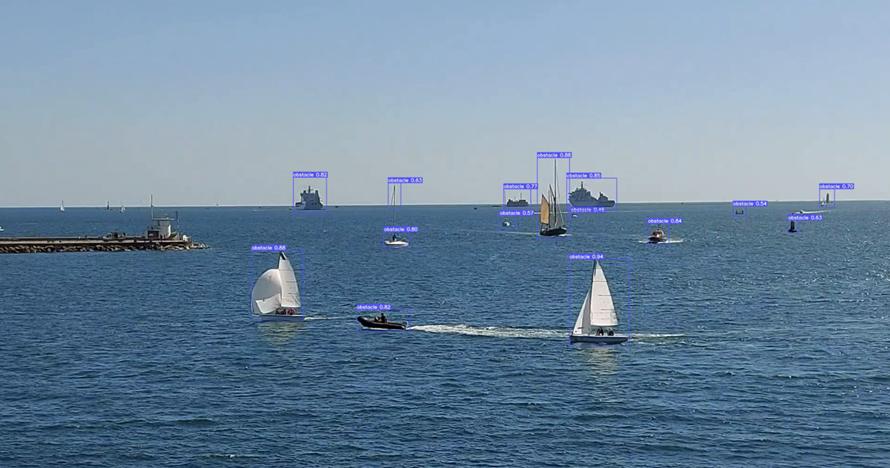
Autonomous vessels need to do more than know where they are and follow a planned route. They must continuously understand what is happening around them, identify other vessels and hazards, assess whether a collision risk is developing, and decide what... Read More
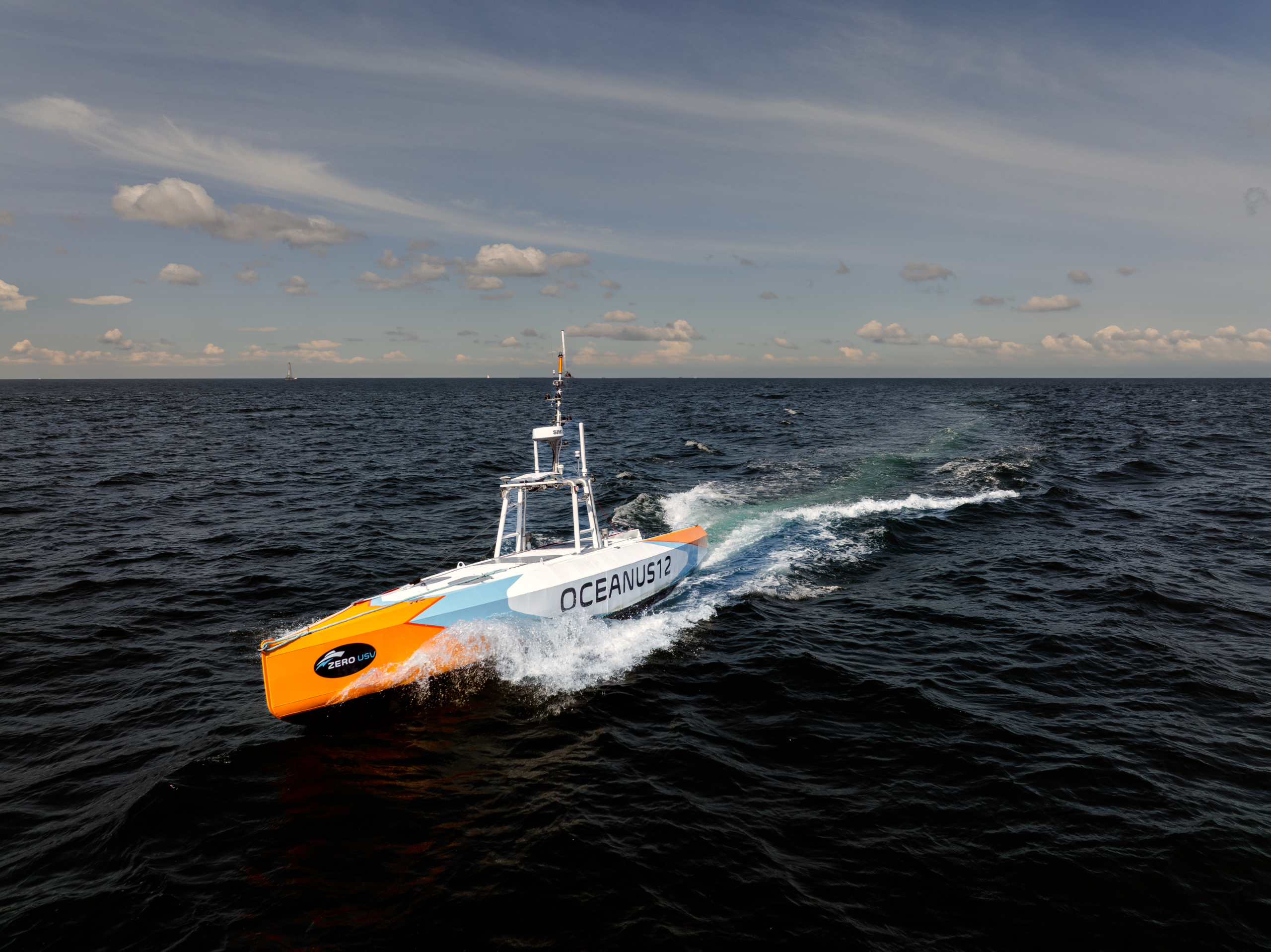
Artificial intelligence is changing maritime operations by helping vessels and shore-based teams interpret information faster, identify risks earlier, optimise operations and automate tasks that have traditionally depended heavily on human intervention. Its impact extends well beyond autonomous ships. AI is... Read More
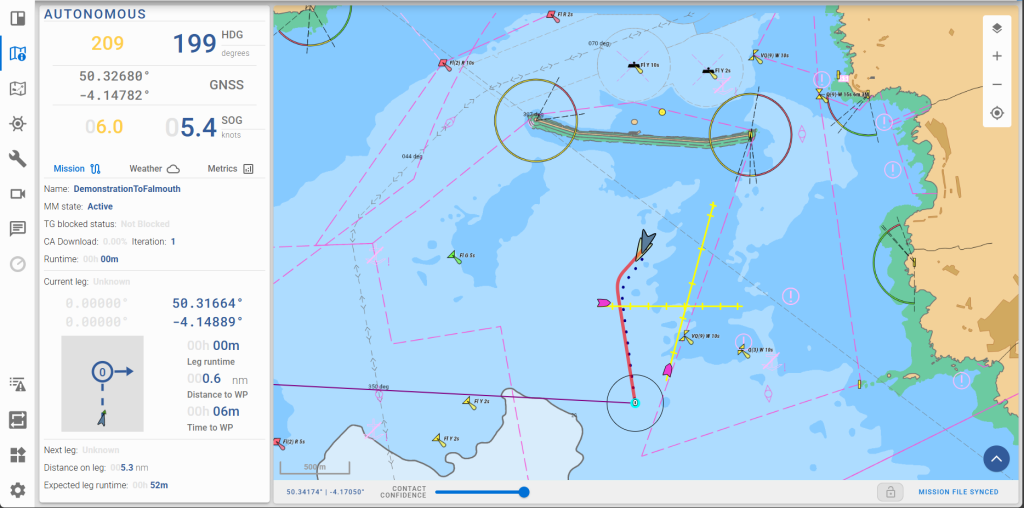
Autonomous vessels may operate without a traditional crew on board, but that does not necessarily mean humans disappear from the operation. Instead, many of the functions traditionally carried out from a ship’s bridge can be monitored, supervised or controlled from... Read More
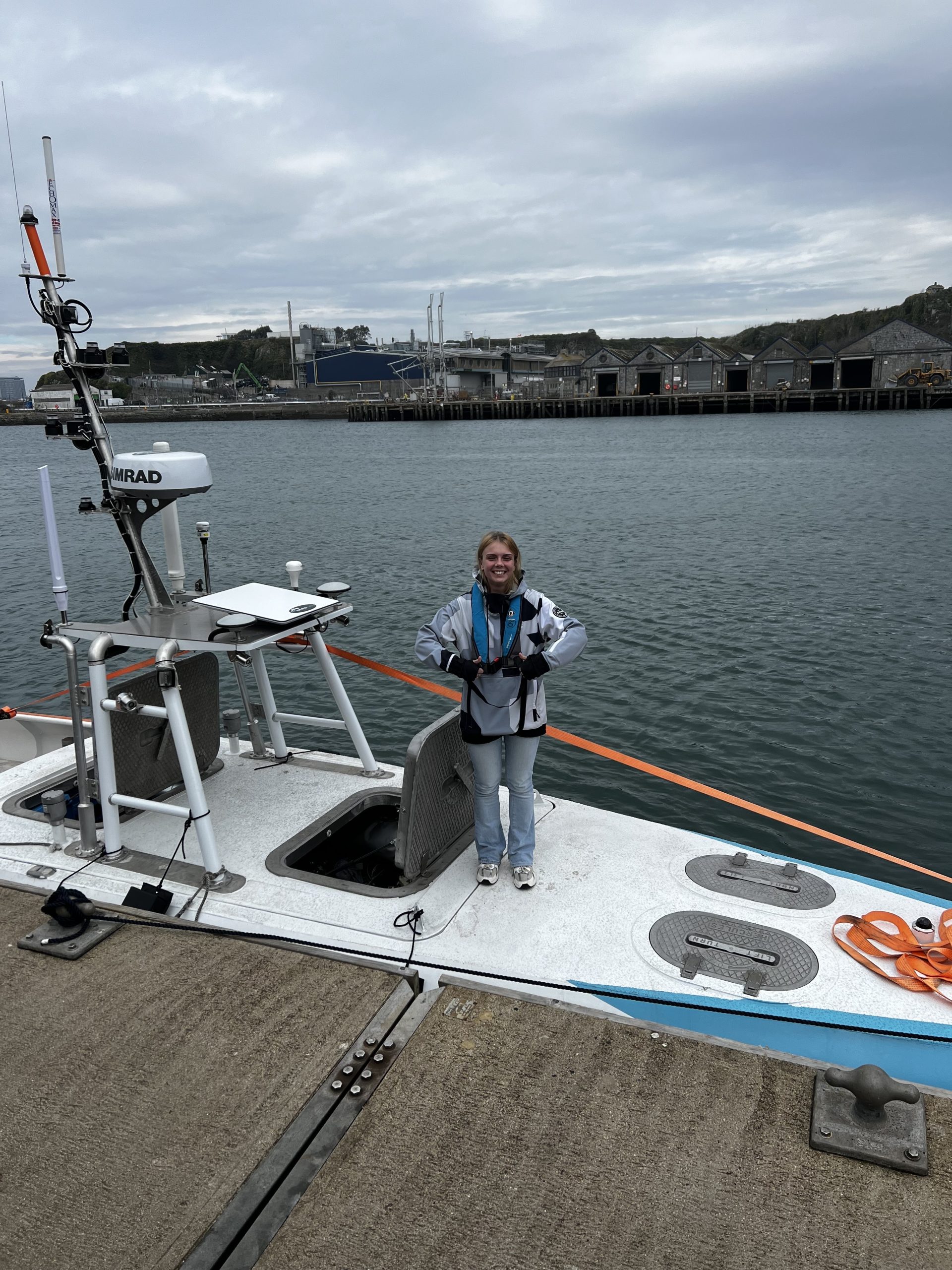
For an autonomous vessel to navigate safely, knowing its own position is only part of the challenge. It must also understand what is happening around it. Where are the other vessels? How fast are they moving? Is that radar return... Read More
Autonomous Surface Vessels (ASVs), also known as Uncrewed Surface Vessels (USVs), are transforming maritime operations by allowing vessels to travel, monitor and perform missions without anyone onboard. From scientific research and offshore energy inspections to defence, hydrographic surveying and environmental... Read More