How MarineAI’s GuardianAI™ autonomy software supported the Royal Navy’s 12-metre XLUUV during a landmark trial in Scotland.
A Landmark Trial
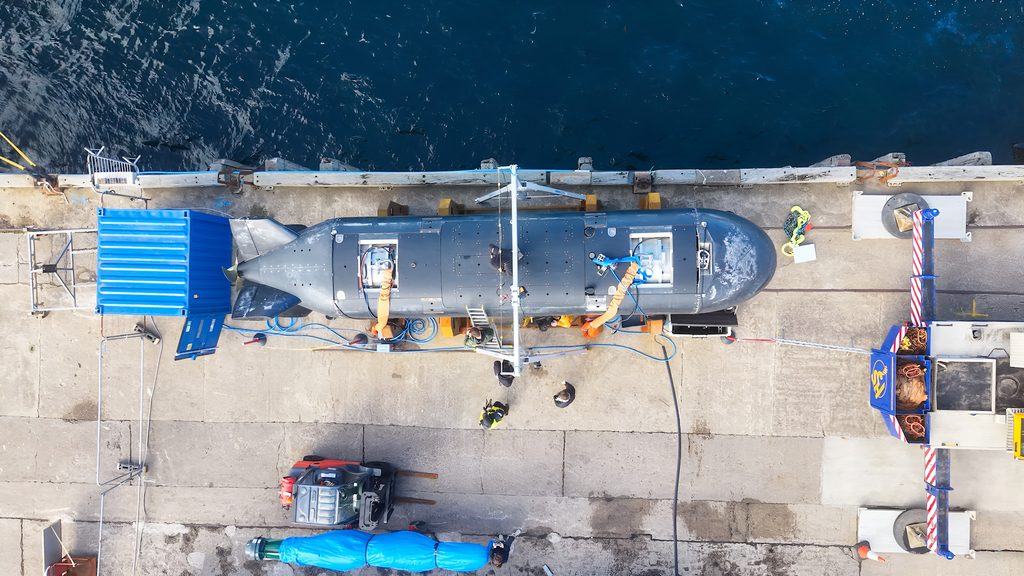
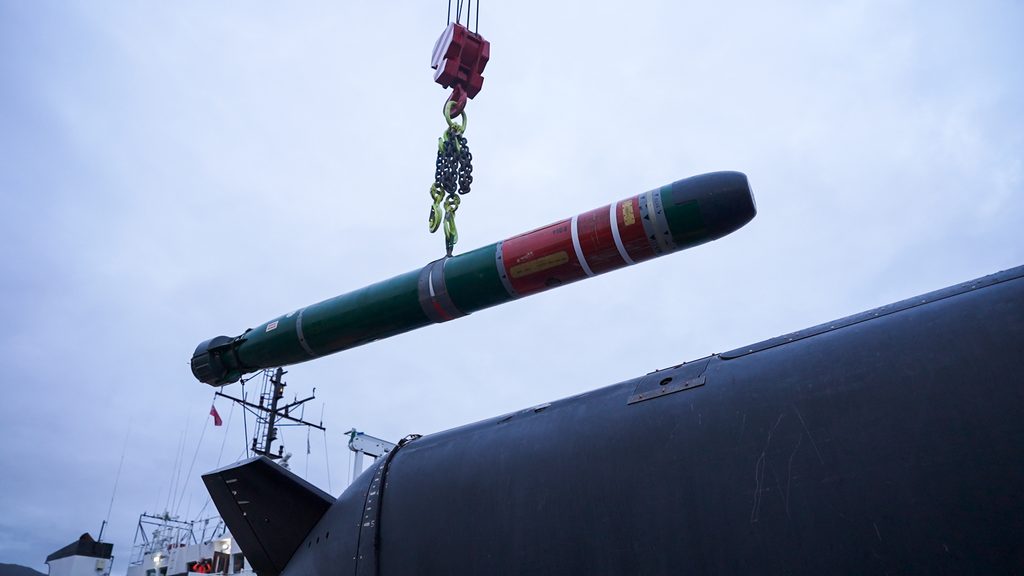
In September 2026, XV Excalibur became the first Royal Navy uncrewed underwater vessel to successfully launch a heavyweight MK48 torpedo.
Conducted at the British Underwater Test and Evaluation Centre (BUTEC) in Scotland under Project Broadsword/Trial Iron, the trial brought together UK, US and Australian capabilities as part of AUKUS Pillar II.
MarineAI supplied GuardianAI™ ORION 3.0.3, providing the autonomy layer supporting Excalibur’s navigation and vessel systems.
Built for Underwater Autonomy
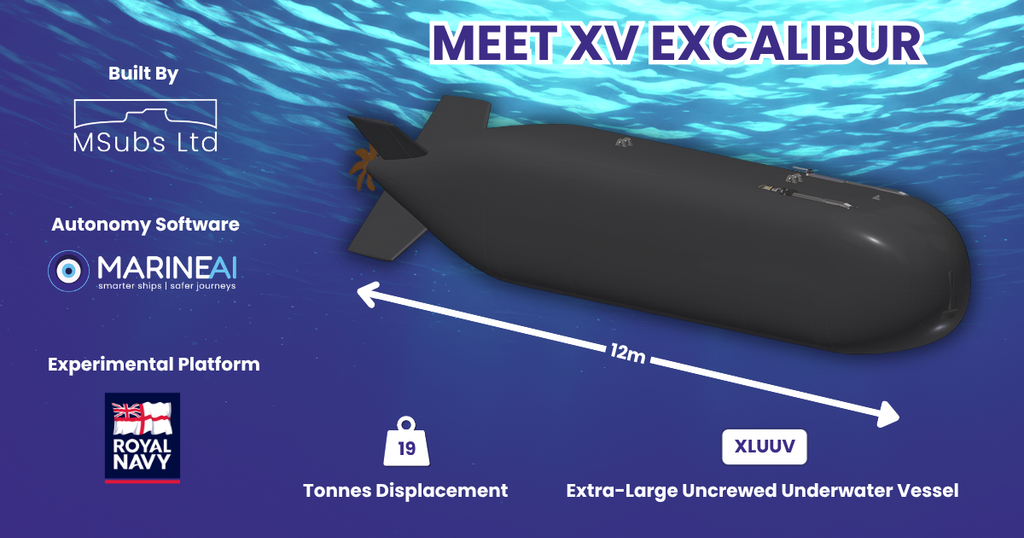
Excalibur is a 12-metre, 19-tonne Extra-Large Uncrewed Underwater Vessel (XLUUV) developed by MSubs under Project CETUS.
As with uncrewed surface operations, subsea missions bring unique challenges. GPS is unavailable beneath the surface, communications are constrained, and the vehicle must be able to understand and respond to its environment autonomously, without a crew onboard.
Excalibur does not use conventional torpedo tubes. During the trial an inert, recoverable heavyweight torpedo was carried in a temporary cradle beneath the vessel.
Guardian ORION provided the mission and payload autonomy layer, enabling engineers to rapidly integrate payloads, build and simulate complex missions, and manage them through execution.
For the trial, this included creating a mission around payload deployment with defined failure conditions, integrating a multi-stage payload sequence, and simulating the mission ahead of the live trial. The mission then ran as planned.
Guardian ORION Enabled:
• Rapid payload integration
• Multi-stage payload sequencing
• Mission planning with defined failure conditions
• Mission simulation and validation
• Dynamic control to maintain desired operating parameters
The dedicated subsea panel within GuardianAI’s advanced user interface provided clear monitoring and control throughout the mission, giving the team real-time visibility in a low-communications environment.
From Development to Deployment
Autonomous systems are not developed entirely behind a desk.
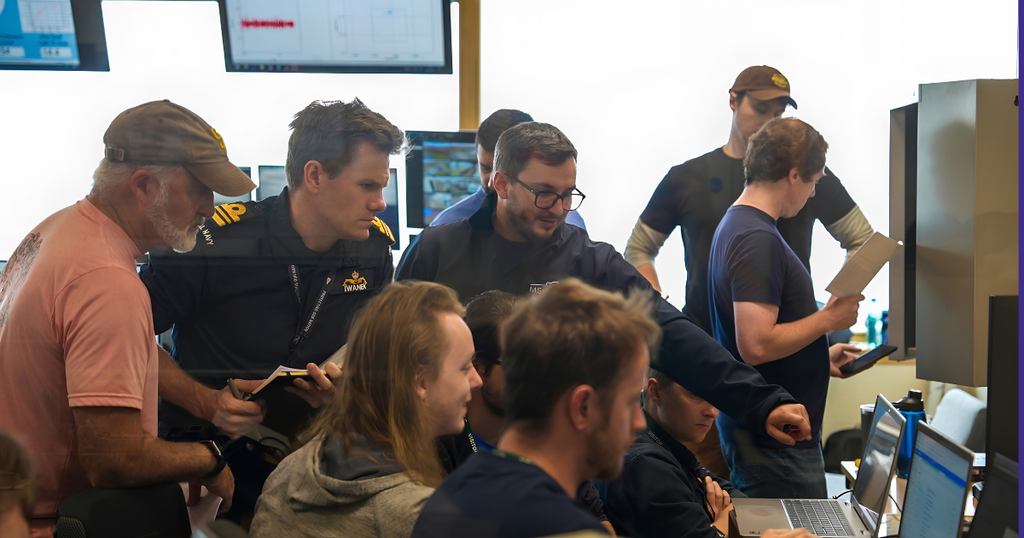
A MarineAI engineer supported the trial from a Remote Operations Centre (ROC) in Scotland, working alongside the wider Royal Navy and industry team and getting directly involved as Excalibur was put through its paces.
Embedding our engineers alongside the teams operating and developing the platform enables MarineAI to bring its autonomy expertise directly into the programme – helping turn advanced technology into real-world capability.
The Future of Underwater Autonomy
The significance of Project Broadsword/Trial Iron extends beyond the successful launch of a torpedo. The trial brought together nations, organisations, platforms, software and payloads in a single demonstration. As autonomous underwater platforms evolve, capability, interoperability and scalability will become increasingly critical.
MarineAI develops world-class autonomy software for surface and underwater platforms, combining advanced technology with the engineering expertise to deliver it alongside our customers and partners. Our solutions enable vessels to understand their environment, make intelligent decisions and execute missions with reduced reliance on human intervention.
Interested in Autonomous Maritime Technology?
Talk to MarineAI about integrating GuardianAI™ into your next autonomous platform.