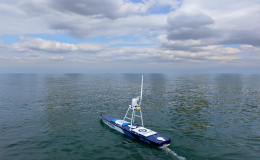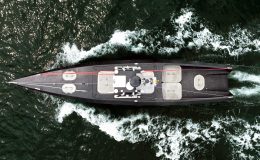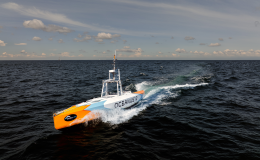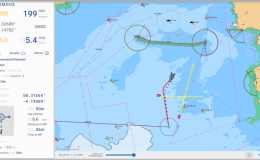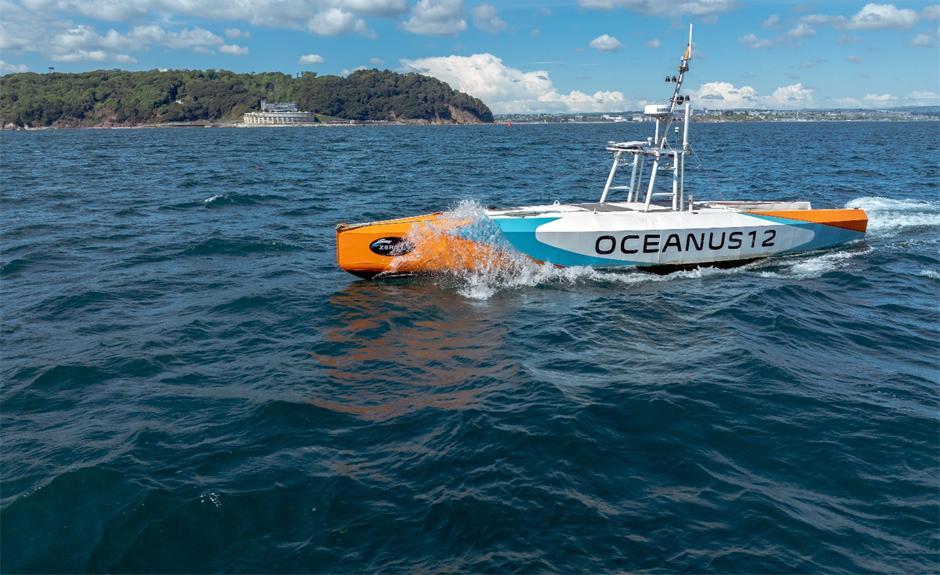
As the maritime industry embraces digital transformation, Autonomous Surface Vessels (ASVs) are rapidly becoming one of the most important technologies shaping the future of operations at sea. From offshore energy and defence to environmental monitoring and commercial shipping, these intelligent vessels are changing how organisations collect data, carry out inspections, protect critical infrastructure and complete missions that would previously have required crewed boats.
Autonomous Surface Vessels are no longer experimental concepts. They are already operating around the world, delivering safer, more efficient and more sustainable maritime operations. Advances in artificial intelligence, sophisticated sensors and autonomous navigation systems now allow these vessels to make informed decisions in real time while operating independently or under remote supervision.
This guide explains what an Autonomous Surface Vessel is, how it works, where it is used and why it is becoming an essential technology across multiple industries.
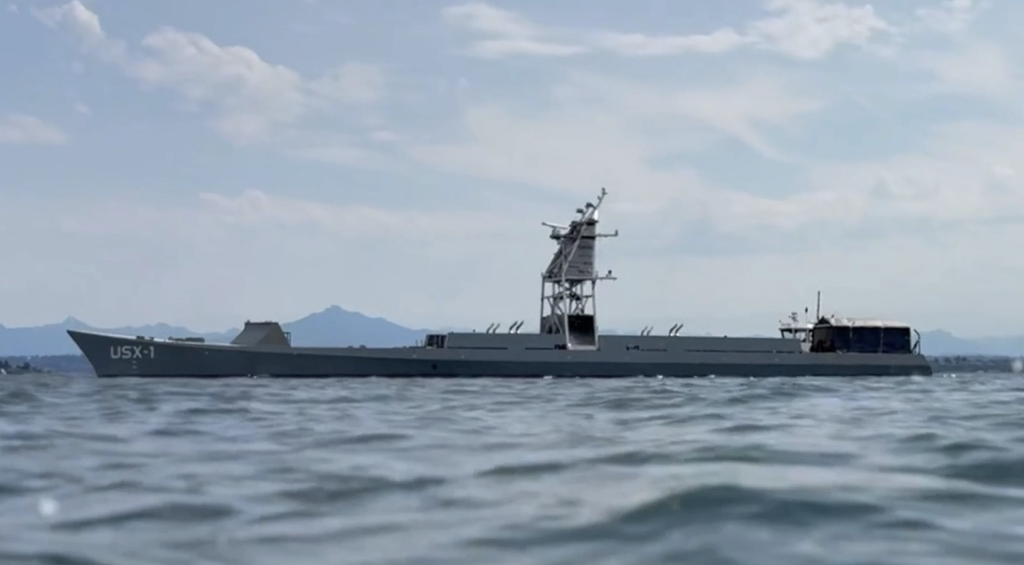
What Is an Autonomous Surface Vessel?
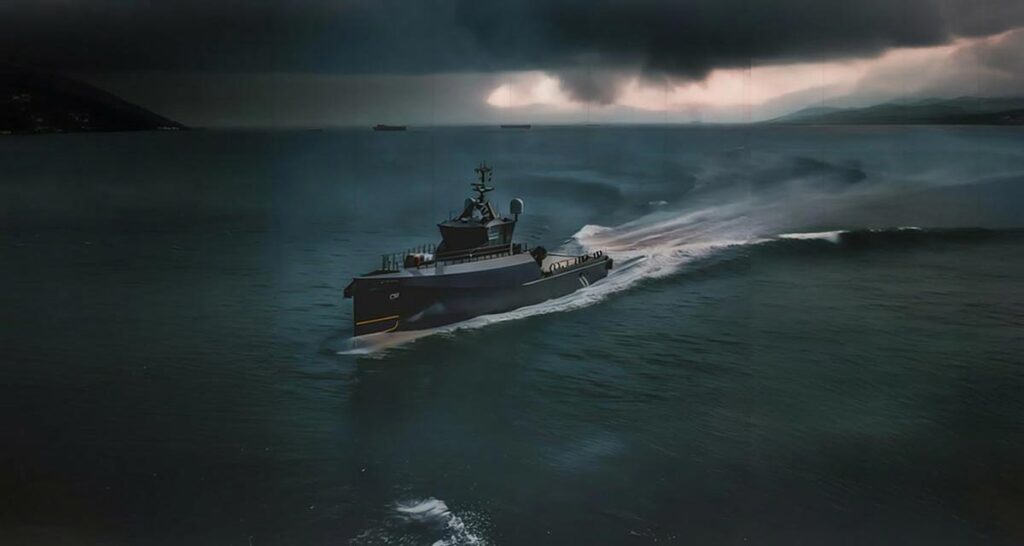
An Autonomous Surface Vessel (ASV) is an unmanned vessel that operates on the surface of the water using onboard sensors, artificial intelligence and autonomous navigation software to complete missions with little or no human intervention.
Unlike conventional boats that require a crew onboard, an ASV can:
- Navigate independently
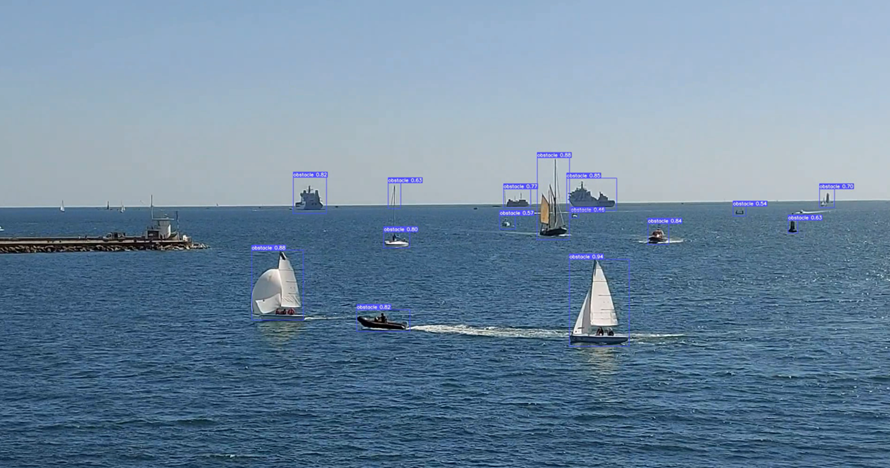
- Detect and avoid obstacles
- Follow pre-planned routes
- Adapt to changing environmental conditions
- Communicate with operators onshore
- Collect and transmit data in real time
Many ASVs can also be remotely supervised from a shore-based control centre, allowing a single operator to monitor multiple vessels simultaneously.
Although the terms Autonomous Surface Vessel (ASV) and Uncrewed Surface Vessel (USV) are often used interchangeably, there is an important distinction.
- USV (Uncrewed Surface Vessel) simply means there are no people onboard.
- ASV (Autonomous Surface Vessel) describes the vessel’s ability to make navigational decisions using intelligent software.
Many modern vessels combine both characteristics.
How Does an Autonomous Surface Vessel Work?
An ASV combines several advanced technologies into a single integrated platform.
Autonomous Navigation
The vessel continuously calculates its position using technologies including:
- GPS and GNSS positioning
- Inertial Navigation Systems (INS)
- Digital nautical charts
- Route planning software
The autonomous navigation system constantly compares the planned route with the vessel’s actual position, making corrections as conditions change.
Sensor Fusion
An Autonomous Surface Vessel builds an accurate understanding of its surroundings by combining data from multiple sensors, including:
- Radar
- Cameras
- LiDAR
- AIS (Automatic Identification System)
- Sonar
- Weather sensors
- Motion sensors
Rather than relying on a single source of information, AI algorithms fuse these inputs into one reliable situational picture.
Artificial Intelligence
Artificial Intelligence is at the heart of modern autonomous vessels.
AI enables the vessel to:
- Identify nearby vessels
- Classify objects
- Predict collision risks
- Interpret complex maritime environments
- Prioritise potential hazards
- Select safe manoeuvres
Machine learning continuously improves decision-making by analysing large volumes of operational data.
Collision Avoidance
Safe navigation is fundamental to autonomous operation.
Advanced collision avoidance software continuously assesses:
- Vessel movements
- Relative speed
- Bearing
- Closest Point of Approach (CPA)
- Maritime traffic density
The system then determines the safest course alteration while complying with the International Regulations for Preventing Collisions at Sea (COLREGs).
Marine AI has become a recognised leader in developing autonomous navigation software such as GuardianAI specifically designed to enable vessels to operate safely within these internationally recognised rules.
Communications
Most Autonomous Surface Vessels remain connected throughout their mission using:
- Satellite communications
- 4G/5G networks
- Radio links
- Mesh networking
- Secure encrypted communications
Operators can monitor missions in real time while maintaining the ability to intervene if required.
Levels of Maritime Autonomy
Not every Autonomous Surface Vessel operates entirely without human involvement.
The International Maritime Organization (IMO) recognises different levels of maritime autonomy, ranging from vessels with automated decision support to fully autonomous operation.
Typical operational models include:
Remote Controlled
The vessel is driven by an operator located ashore.
Remote Controlled with Autonomous Functions
The vessel performs many routine navigation tasks while remaining under human supervision.
Highly Autonomous
The vessel independently makes navigational decisions while operators monitor progress remotely.
Fully Autonomous
The vessel can complete an entire mission without human intervention, although remote monitoring is usually retained for safety and operational oversight.
While this article introduces the concept of ASVs, our detailed guide on How Autonomous Surface Vessels Navigate Without a Crew explains how AI, sensors, radar, LiDAR and COLREG-compliant decision-making allow these vessels to operate safely at sea.
Applications of Autonomous Surface Vessels
The versatility of ASVs has led to rapid adoption across numerous sectors.
Offshore Energy
Energy companies increasingly use autonomous vessels to inspect offshore wind farms, oil platforms and subsea infrastructure.
Typical tasks include:
- Platform inspections
- Pipeline surveys
- Environmental monitoring
- Bathymetric surveys
- Security patrols
These operations reduce costs while avoiding the need to place personnel in hazardous offshore environments.
Defence and Security
Defence organisations are investing heavily in autonomous maritime technology.
Typical defence applications include:
- Intelligence gathering
- Maritime surveillance
- Force protection
- Harbour security
- Mine countermeasures
- Persistent patrol operations
- Autonomous logistics support
Because they operate without crews onboard, autonomous vessels can safely undertake missions considered too dangerous for conventional boats.
Hydrographic Survey
Survey organisations use ASVs to map the seabed with exceptional precision.
Typical surveys include:
- Harbour mapping
- Coastal surveys
- River surveys
- Port maintenance
- Navigation channel monitoring
Autonomous operation allows surveys to continue for extended periods while significantly reducing operating costs.
Environmental Monitoring
Marine scientists use Autonomous Surface Vessels to collect environmental data continuously over long durations.
Applications include:
- Water quality monitoring
- Oceanographic research
- Wildlife monitoring
- Climate studies
- Pollution detection
- Algal bloom monitoring
The ability to remain at sea for weeks enables the collection of richer, more consistent datasets than traditional crewed surveys.
Commercial Shipping
Autonomous technologies are also transforming commercial shipping by improving navigational safety and operational efficiency.
Examples include:
- Autonomous route optimisation
- Collision avoidance
- Fuel efficiency improvements
- Remote vessel monitoring
- Predictive maintenance
- Digital bridge assistance
Rather than replacing crews entirely, many shipping companies are introducing autonomy gradually to support onboard decision-making.
Advantages of Autonomous Surface Vessels
Improved Safety
Removing personnel from hazardous maritime operations significantly reduces operational risk.
ASVs can safely work in:
- Heavy weather
- Remote offshore locations
- Contaminated environments
- High-threat security zones
Autonomous systems also remain continuously alert, helping reduce the impact of human fatigue.
Lower Operating Costs
Without accommodation, catering and crew rotation requirements, Autonomous Surface Vessels can dramatically reduce operating expenses.
Potential savings include:
- Reduced fuel consumption
- Smaller vessel size
- Lower maintenance costs
- Fewer personnel
- Reduced support infrastructure
Long-endurance autonomous missions also improve operational productivity.
Continuous Operation
Unlike crewed vessels, autonomous vessels can operate around the clock.
This allows organisations to:
- Collect more data
- Complete missions faster
- Increase fleet utilisation
- Respond rapidly to changing operational requirements
Better Data Collection
Modern ASVs carry a wide range of sensors capable of collecting highly accurate data throughout a mission.
Real-time transmission means decision-makers can analyse information immediately rather than waiting for vessels to return to port.
Environmental Benefits
Many autonomous vessels are designed for low-emission or electric propulsion.
Their smaller size and optimised routing reduce fuel consumption while supporting wider sustainability objectives across the maritime sector.
Challenges Facing Autonomous Surface Vessels
Despite rapid advances, several challenges remain.
Regulation
International maritime regulations continue to evolve alongside autonomous technologies.
Ensuring compliance with COLREGs, certification requirements and national legislation remains an important focus for developers and regulators.
Cyber Security
Because ASVs depend heavily on digital communications and software, protecting systems from cyber threats is essential.
Modern autonomous platforms employ encrypted communications, secure architectures and resilient software to minimise operational risk.
Public Trust
As with autonomous vehicles on land, confidence in autonomous vessels depends upon demonstrating reliability, safety and predictable behaviour.
Extensive sea trials and operational deployments continue to build trust within both commercial and regulatory communities.
The Future of Autonomous Surface Vessels
Autonomous maritime technology is developing rapidly.
Future generations of ASVs are expected to incorporate:
- More advanced AI decision-making
- Improved sensor fusion
- Longer endurance
- Greater energy efficiency
- Multi-vessel collaborative operations
- Enhanced autonomy in congested waterways
Rather than replacing conventional shipping overnight, autonomous systems are likely to complement existing fleets by carrying out specialist tasks where autonomy provides clear operational advantages.
As confidence grows, larger commercial vessels will increasingly adopt many of the same intelligent navigation technologies already proven aboard smaller autonomous platforms.
Marine AI and Autonomous Navigation
Marine AI is at the forefront of autonomous navigation technology, developing advanced software that enables vessels to operate safely and intelligently in complex maritime environments.
Its autonomous navigation system combines artificial intelligence, sensor fusion and sophisticated collision avoidance algorithms to support safe operation in accordance with international maritime regulations. Designed to integrate with a wide variety of vessel types, Marine AI’s technology is helping defence organisations, commercial operators and maritime innovators deploy autonomous capabilities with confidence.
As demand for autonomous maritime operations continues to grow, intelligent navigation systems such as these will play a central role in delivering safer, more efficient and more sustainable operations across the world’s oceans.
Frequently Asked Questions
What is the difference between an ASV and a USV?
A USV (Uncrewed Surface Vessel) simply has no crew onboard. An ASV (Autonomous Surface Vessel) goes further by using artificial intelligence and autonomous navigation software to make decisions and operate with minimal human intervention.
Are Autonomous Surface Vessels legal?
Yes. Autonomous vessels are already operating in many countries under existing maritime regulations and controlled trial frameworks. International regulatory bodies continue to develop standards that support wider adoption.
Can Autonomous Surface Vessels avoid collisions?
Modern ASVs use advanced sensors, artificial intelligence and collision avoidance software to detect other vessels, assess risks and navigate safely while complying with COLREGs.
Which industries use Autonomous Surface Vessels?
ASVs are widely used in offshore energy, defence, hydrographic surveying, environmental monitoring, maritime security, scientific research and commercial shipping.
Why are Autonomous Surface Vessels important?
Autonomous Surface Vessels improve safety by removing people from hazardous environments, reduce operating costs, increase operational efficiency and provide continuous access to high-quality maritime data, making them a key technology for the future of the maritime industry.