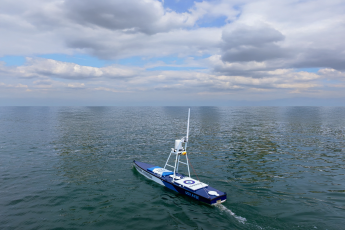
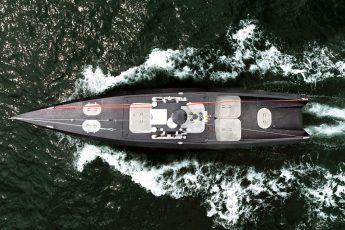
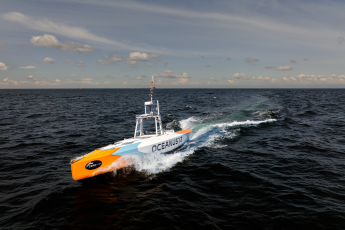
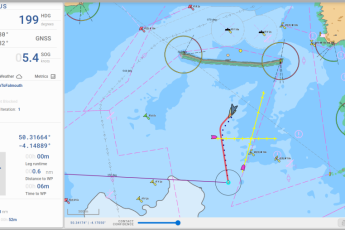
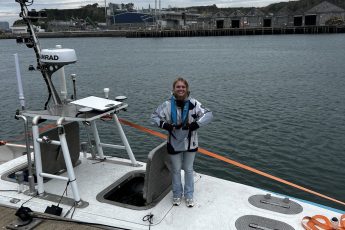
Naval operations are entering a new era as artificial intelligence (AI), autonomous systems and uncrewed vessels become increasingly important to maritime defence. From persistent surveillance and intelligence gathering to mine countermeasures and complex multinational exercises, naval autonomy is changing how maritime forces operate, deploy resources and respond to emerging threats.
Traditionally, naval operations have relied on crewed vessels to undertake missions across vast maritime environments. These operations can be expensive, resource-intensive and potentially hazardous, particularly when vessels are required to operate in contested waters or undertake prolonged surveillance missions.
Autonomous maritime systems offer a different approach. By combining advanced sensors, intelligent navigation and sophisticated autonomy software, uncrewed vessels can undertake a growing range of operational tasks while remaining under appropriate human supervision.
For naval organisations, the opportunity is not simply to replace crewed platforms. It is to create more flexible, resilient and capable maritime forces in which crewed and uncrewed systems work together.
What Is Naval Autonomy?
Naval autonomy refers to the use of intelligent systems that enable maritime platforms to perform operational tasks with varying degrees of independence from direct human control.
These systems can be integrated into uncrewed surface vessels (USVs), autonomous underwater vehicles (AUVs) and other maritime platforms, allowing them to navigate, monitor their surroundings and execute authorised missions.
Unlike conventional remotely operated vessels, which depend on continuous human control, autonomous naval systems can make certain operational decisions independently within predefined parameters.
For example, an autonomous surface vessel may be tasked with patrolling a designated maritime area. Using onboard sensors and autonomy software, it can navigate its assigned route, detect potential obstacles and adjust its movements without requiring an operator to issue every instruction.
However, autonomy does not necessarily mean removing humans from the decision-making process.
Most operational applications involve different levels of human supervision, with personnel retaining responsibility for mission objectives, operational constraints and decisions requiring human authorisation.
The distinction between automation, remote operation and autonomy is particularly important in naval environments, where safety, accountability and operational control are essential.
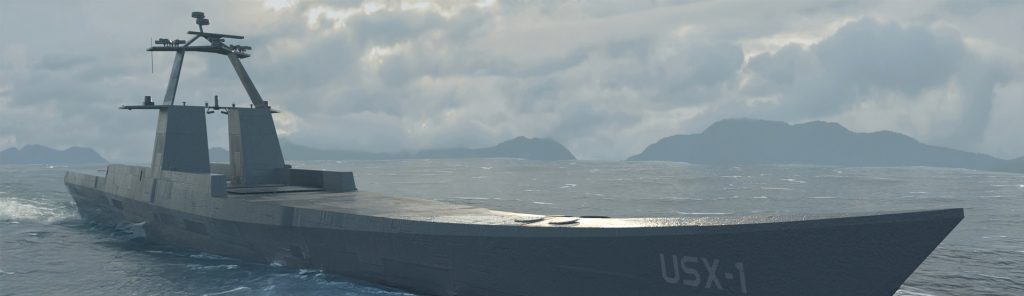
Why Are Navies Investing in Autonomous Maritime Systems?
Naval organisations face growing demands to monitor larger maritime areas, protect critical infrastructure and respond to increasingly complex security challenges.
At the same time, maintaining and operating traditional crewed vessels requires significant investment in personnel, training, maintenance and logistical support.
Autonomous maritime systems provide opportunities to address several of these challenges.
Persistent Maritime Surveillance
Monitoring large areas of ocean requires considerable resources.
Uncrewed naval vessels can potentially remain on station for extended periods, conducting surveillance and collecting information without the same crew endurance limitations as conventional vessels.
Depending on their design, endurance and communications capabilities, these platforms can support maritime domain awareness by monitoring vessel movements, identifying unusual activity and providing information to naval command centres.
This makes them particularly valuable for tasks such as monitoring maritime approaches, protecting offshore infrastructure and supporting border security operations.
Reducing Personnel Exposure
Some naval missions involve operating in environments where the risks to personnel are particularly high.
Mine countermeasures, for example, may require vessels to enter areas where underwater explosive threats are suspected.
Uncrewed systems can support these operations by carrying sensors and other mission equipment into potentially hazardous environments while personnel remain at a safer distance.
Although autonomous technology introduces its own operational and technical challenges, it can reduce the need to expose crews directly to certain threats.
Extending Operational Reach
Naval forces must often maintain awareness across extensive geographical areas.
Deploying additional crewed vessels is not always practical or affordable.
Autonomous platforms can complement existing naval assets by providing additional sensing, monitoring and operational capacity.
A combination of crewed ships, uncrewed surface vessels and underwater systems can potentially cover a wider operational area than a force relying exclusively on traditional platforms.
Greater Operational Flexibility
Uncrewed systems can be configured for different missions through changes to their sensors, payloads and software.
A vessel designed for maritime surveillance might also support environmental monitoring, hydrographic data collection or communications relay tasks, provided it has the necessary equipment and operational approvals.
This flexibility allows naval organisations to consider different combinations of platforms and capabilities according to mission requirements.
How Are Uncrewed Vessels Used in Naval Operations?
The applications of naval autonomy extend across a wide range of maritime defence activities.
While the maturity and operational readiness of individual systems vary, several areas are attracting particular attention.
Intelligence, Surveillance and Reconnaissance
Intelligence, surveillance and reconnaissance (ISR) is one of the most significant potential applications for autonomous naval vessels.
USVs equipped with radar, cameras, acoustic sensors and other surveillance equipment can collect information about activity within designated maritime areas.
Autonomy software supports these missions by enabling vessels to follow patrol patterns, maintain situational awareness and respond to navigational conditions.
The information collected can be transmitted to operators or integrated into wider maritime surveillance systems.
This approach can provide additional sensing capacity while allowing crewed naval assets to concentrate on other operational priorities.
Mine Countermeasures
Mine countermeasures represent an important application for uncrewed maritime technology.
Autonomous surface and underwater platforms can carry specialised sensors designed to detect, classify and locate potential underwater threats.
These systems can support minehunting and seabed survey operations while reducing the requirement for personnel to operate directly within potentially dangerous areas.
Different platforms may undertake separate elements of a mission, with surface vessels providing deployment, communications or supervisory functions and underwater vehicles conducting detailed surveys.
The effectiveness of these operations depends on reliable navigation, sensor performance, communications and coordination between participating systems.
Maritime Security and Force Protection
Naval autonomy can also support the protection of ports, naval installations, offshore facilities and other strategically important maritime infrastructure.
Autonomous vessels may be used to patrol designated areas, monitor vessel movements and provide additional surveillance information.
When integrated with shore-based monitoring systems and other maritime assets, they can contribute to a more comprehensive picture of activity around protected locations.
These applications are particularly relevant where continuous monitoring is required across extensive or difficult-to-access areas.
Hydrographic Survey and Seabed Mapping
Accurate knowledge of the maritime environment is essential for naval planning and safe operations.
Autonomous survey vessels can collect hydrographic and bathymetric information using specialised sonar and positioning equipment.
Such information can support navigation, operational planning and the identification of seabed features.
Uncrewed platforms may also enable survey activity in locations where deploying larger crewed vessels would be difficult, costly or operationally undesirable.
Distributed Maritime Operations
Naval forces are increasingly exploring how multiple platforms can operate as part of a coordinated force.
Rather than relying exclusively on a small number of large vessels, distributed operations can involve different combinations of crewed ships, uncrewed surface vessels and underwater systems.
Autonomous platforms may provide additional sensing, communications or mission support capabilities.
However, effective distributed operations require more than individual vessels capable of navigating independently.
They depend on reliable communications, interoperability, mission coordination and clearly defined responsibilities between human operators and autonomous systems.
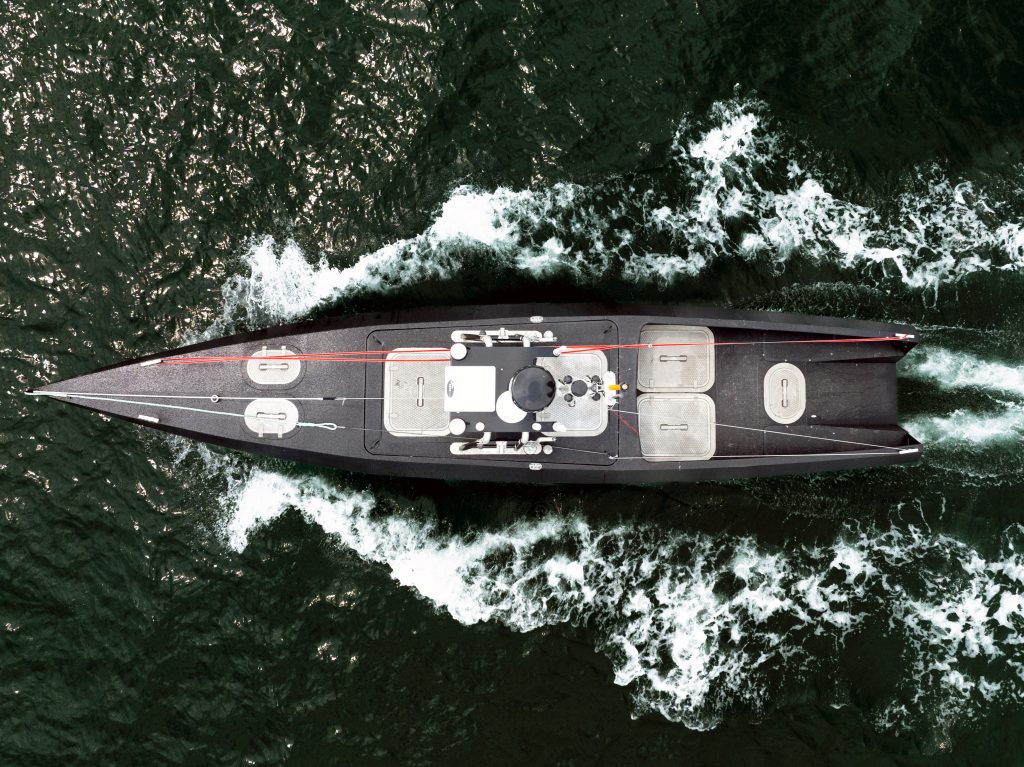
The Role of AI in Naval Autonomous Systems
Artificial intelligence plays an important role in enabling autonomous maritime platforms to interpret information and respond to changing conditions.
A naval vessel operating autonomously must understand its surroundings, maintain safe navigation and execute its assigned mission within defined operational limits.
These functions rely on several interconnected technologies.
Situational Awareness
Autonomous vessels use information from sensors such as radar, cameras, AIS receivers and other relevant systems to build an understanding of their operating environment.
AI and advanced data-processing techniques can help identify objects, interpret sensor information and support decisions about how the vessel should respond.
The process of combining information from multiple sensors is known as sensor fusion.
By integrating different sources of information, an autonomy system can develop a more comprehensive understanding of its surroundings than would be possible using a single sensor alone.
Autonomous Navigation
AI-enabled navigation systems can support route execution, obstacle detection and adjustments to vessel movements.
These capabilities are particularly important when autonomous platforms operate in environments containing other vessels, changing weather conditions and navigational hazards.
Safe navigation also requires consideration of the International Regulations for Preventing Collisions at Sea, commonly known as COLREGs.
Autonomy systems must be designed to support appropriate navigational behaviour and operate within the limitations of their sensors, software and operating conditions.
Mission Execution
Beyond navigation, autonomy software can support the execution of defined operational tasks.
For example, a vessel conducting a surveillance mission may need to follow a designated patrol pattern, maintain its position within an operating area or adjust its route according to authorised mission parameters.
Mission management capabilities allow operators to define objectives and monitor progress without continuously controlling every movement of the vessel.
This distinction is fundamental to the operational value of maritime autonomy.
The objective is not simply to automate steering, but to enable vessels to carry out meaningful tasks within a supervised operational framework.
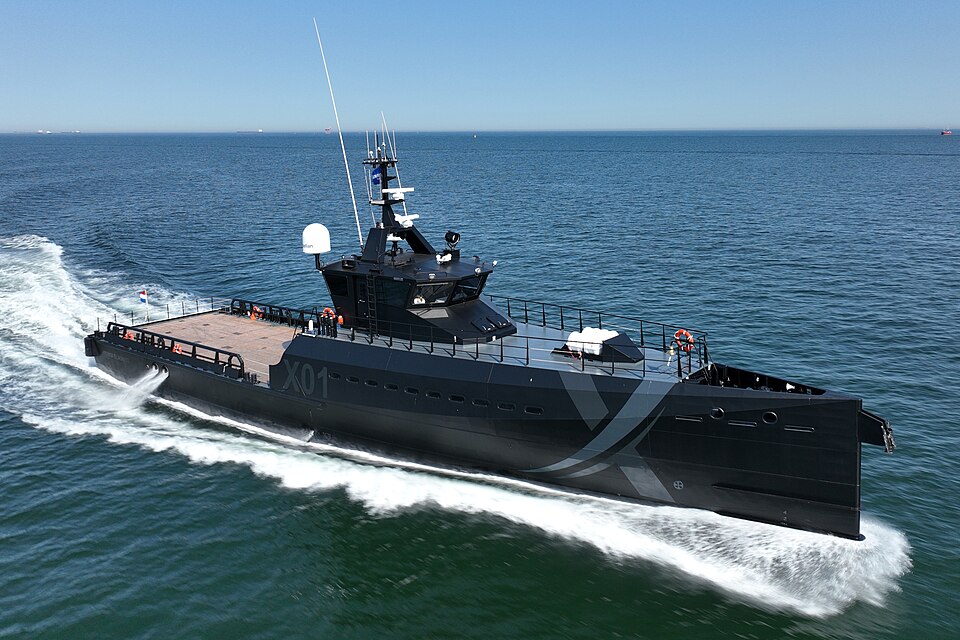
Human Oversight and Control of Autonomous Naval Vessels
One of the most important considerations in naval autonomy is the relationship between autonomous decision-making and human control.
Autonomous systems can perform certain tasks independently, but their use must remain consistent with operational requirements, safety considerations and applicable legal frameworks.
Different missions may require different levels of supervision.
A vessel undertaking a routine survey in a controlled operating area may be permitted to execute much of its mission autonomously.
A platform operating in a complex or contested maritime environment may require closer supervision and additional restrictions.
Human operators may retain responsibility for defining mission objectives, establishing geographical boundaries, approving changes to operational plans and intervening when necessary.
Communications are another important consideration.
Autonomous vessels may experience intermittent connectivity, particularly when operating beyond conventional communications coverage or in environments where communications are disrupted.
Systems therefore need clearly defined behaviour for situations in which contact with operators is reduced or lost.
Depending on the platform and mission, this might involve continuing within approved limits, entering a safe operating state or following a predefined contingency procedure.
Effective naval autonomy combines intelligent onboard decision-making with appropriate human oversight, rather than treating autonomy and human control as opposing concepts.
Interoperability: The Key to Collaborative Naval Autonomy
As naval organisations introduce more uncrewed systems, interoperability is becoming increasingly important.
Individual autonomous platforms may demonstrate impressive capabilities, but their operational value increases when they can exchange information and work effectively alongside other systems.
A naval task group might include crewed vessels, uncrewed surface vessels, autonomous underwater vehicles and shore-based command facilities.
Coordinating these assets requires compatible communications, shared operational information and effective mission management.
Without interoperability, organisations risk creating separate autonomous capabilities that cannot easily operate together.
Learning from REPMUS
Multinational exercises such as REPMUS (Robotic Experimentation and Prototyping with Maritime Unmanned Systems) provide opportunities to test maritime autonomous technologies in realistic operational scenarios.
These exercises bring together naval organisations, industry and research partners to explore how different uncrewed systems can operate collaboratively.
For Marine AI, participation in REPMUS has provided opportunities to demonstrate and develop capabilities involving autonomous maritime operations and interoperability.
Relevant activities have included work involving variable depth sonar (VDS) with Kongsberg, sonobuoy-related activities with Dstl and live tasking using STANAG 4817.
These examples illustrate an important direction for naval autonomy: moving beyond demonstrations of individual autonomous vessels towards the integration of multiple systems, sensors and mission capabilities.
Standards such as STANAG 4817 are relevant to this development because they support interoperability between maritime uncrewed systems and their associated control infrastructure.
As autonomous naval operations become more sophisticated, the ability to coordinate different platforms and technologies will be essential.

GuardianAI and the Future of Naval Autonomy
The development of capable autonomous vessels depends on software that can integrate sensing, navigation and mission-related functions.
Marine AI’s GuardianAI autonomy software is designed to support autonomous maritime operations, providing a foundation for intelligent vessel behaviour and operational decision-making.
For naval applications, autonomy software must address challenges that extend beyond basic navigation.
These include operating in complex maritime environments, supporting mission objectives, integrating information from different sensors and enabling appropriate levels of human supervision.
The ability to integrate autonomy capabilities with different vessel platforms and operational systems is also important as naval organisations explore mixed fleets of crewed and uncrewed assets.
Marine AI’s work within the maritime autonomy sector, including participation in collaborative trials and exercises, contributes to the development of technologies intended to support these requirements.
As naval forces continue to explore autonomous capabilities, adaptable software platforms will play an important role in determining how effectively uncrewed systems can be deployed and integrated into existing operations.
What Does the Future Hold for Naval Autonomy?
Naval autonomy is likely to become an increasingly important element of maritime defence operations.
However, its development will not depend solely on improvements in artificial intelligence.
Operational adoption also requires progress in areas such as communications resilience, cybersecurity, interoperability, safety assurance and regulatory frameworks.
Naval organisations must be confident that autonomous platforms can operate predictably, respond appropriately to changing circumstances and remain subject to effective human oversight.
The integration of multiple autonomous systems presents further challenges.
Coordinating vessels with different capabilities, communications arrangements and operating requirements demands sophisticated mission management and common approaches to interoperability.
Nevertheless, the potential benefits are significant.
Autonomous maritime systems offer opportunities to extend surveillance coverage, improve operational flexibility, reduce personnel exposure and support new approaches to maritime defence.
The future is therefore unlikely to involve a simple replacement of crewed naval vessels with uncrewed alternatives.
Instead, it will increasingly involve crewed and uncrewed platforms working together, combining human judgement with the endurance, adaptability and information-processing capabilities of autonomous technology.
For organisations developing maritime autonomy software, the challenge is to ensure these capabilities can operate safely, reliably and effectively within real naval environments.
Frequently Asked Questions About Naval Autonomy
What is naval autonomy?
Naval autonomy is the use of intelligent technologies that allow maritime defence platforms to perform tasks with varying degrees of independence from direct human control. These systems can support navigation, surveillance, mission execution and other operational activities while remaining subject to appropriate human oversight.
How does AI support autonomous naval vessels?
Artificial intelligence helps autonomous naval vessels process sensor information, interpret their surroundings and make decisions within defined operational parameters. AI-enabled capabilities can support situational awareness, navigation, obstacle avoidance and mission execution, reducing the need for continuous manual control.
What are uncrewed naval vessels used for?
Uncrewed naval vessels can support intelligence, surveillance and reconnaissance, mine countermeasures, maritime security, hydrographic survey and other naval operations. Their specific capabilities depend on the vessel, onboard equipment, autonomy software and operational requirements.
Can autonomous naval vessels operate without human supervision?
Some autonomous vessels can perform defined tasks without continuous human intervention. However, the level of supervision required depends on the mission, operating environment and applicable rules. Human operators generally retain responsibility for mission objectives, operational constraints and decisions requiring authorisation.
What is the difference between naval autonomy and remote vessel control?
Remote vessel control involves a human operator directing a vessel from another location. Naval autonomy enables a vessel to perform certain tasks and make limited operational decisions independently within predefined parameters. Many maritime systems combine autonomous functions with remote supervision, allowing operators to intervene when required.
Advancing Maritime Autonomy with Marine AI
As naval organisations explore new ways to integrate uncrewed systems into maritime operations, reliable and adaptable autonomy software is becoming increasingly important.
Marine AI develops intelligent maritime autonomy technology designed to support autonomous vessel operations, navigation and mission-related capabilities.
Through its work on GuardianAI and participation in maritime autonomy trials and collaborative programmes, Marine AI is contributing to the development of technologies that will help shape the future of uncrewed maritime operations.
Discover how Marine AI’s GuardianAI technology supports the next generation of autonomous maritime systems.