MarineAI Ltd – (Junior) Python Software Engineer
MarineAI is a multi-disciplined specialist in the design, manufacture and construction of underwater vehicles and equipment and is currently looking for a Scientific Software Engineer to focus on the growth of our work on marine autonomy and machine learning.
Role:
MarineAI offers a flat organizational structure with engineers owning their respective systems. The applicant will therefore be required to remain involved in a system from its creation all the way through to sea-trials and sign-off.
Responsibilities:
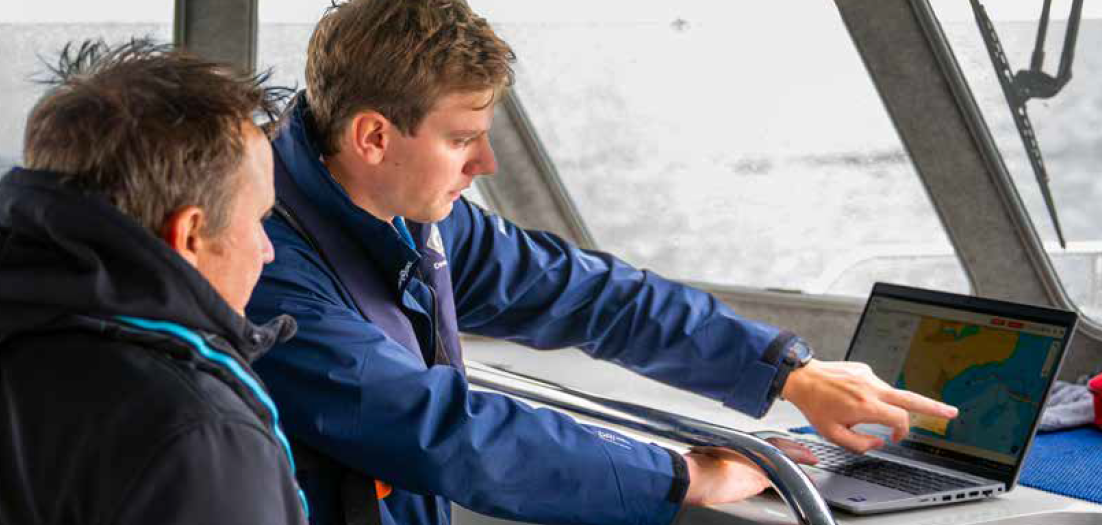
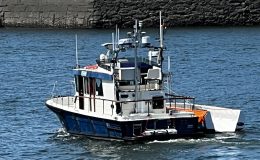
Work closely with the company’s R&D team to actively progress internal Python projects which include but not limited to vehicle system control, communications, computer vision, and payload management. Be actively involved in the collection of real-world data in order to analyse the performance of new features/ software components. Data collection will include attending sea trials (limited to day operation) to ensure proper data collection and system function throughout the duration of the trial. Write technical release documentation explaining procedures, functions as well as end-user operational manuals.
Essential experience:
– Bachelor’s degree in mathematics, computer science, physics, or similar discipline.
– Strong skills in Python along with general coding practices.
– 2+ years of experience working in software development.
– Keen interest in algorithms and a willingness to develop their skillset through mentoring, online courses, research papers.
– Keen interest in the maritime sector.
– Strong oral, written and interpersonal communication skills and an ability to work in a team environment.
– Must be detail-oriented and organized and be able to handle a variety of tasks in an efficient manner.
Desirable Experience:
– Interest in control system design.
– Fluency with Linux and windows development environment and Docker containers.
– Data science and data engineering skills. Machine learning.
– Knowledge of maritime sensor systems like Radar, EO/ IR cameras, LiDAR, etc.
– Strong understanding of software design methodologies and production environments
Other Considerations:
– The candidate should be eligible to work permanently in the UK.
– The role may require the candidate to be security cleared up to SC level.
– The role may require travel at times to the US.
– The role is 40 hours per week, flexible working between the hours of 8am and 7pm Monday to Friday and possible overtime.
– The role is subject to a 3-month probationary period.
– Fully office based in either of the Plymouth or Exeter offices.
If you feel you have the right skills for the position, please apply to info@marineai.co.uk with a covering letter, your contact details, and a current CV.